Contractors and developers often face serious pressure when mechanical, electrical, and plumbing costs come back much higher than expected during the bidding stage. Sudden cost increases can force project teams to make last-minute design changes, delay schedules, and deal with added stress throughout the project. These unexpected budget problems can also put strain on relationships between contractors, clients, and project partners.
These problems are often not caused by bad luck or sudden market changes. In many cases, they happen because the MEP budget was not planned properly in the early stages of the project. When cost estimating is rushed or overlooked, projects are much more likely to face delays, budget issues, and costly adjustments later on.
When MEP costs are estimated accurately from the beginning, project teams can plan with greater confidence and make smarter decisions throughout the job. Clear cost planning helps reduce unexpected expenses, keeps budgets under control, and makes the bidding process much smoother. This blog explains what MEP budget estimating includes, the factors that affect accuracy, common mistakes that can create budget problems, and the best ways to handle this stage properly.
What Is MEP Budget Estimating?
MEP budget estimating is the structured process of forecasting costs of a building’s mechanical, electrical, plumbing, and fire protection systems. This forecasting stretches from earliest planning phases all the way through construction documentation.
Crucially, this is not a single estimate produced at one fixed point in time. It is an evolving process that gets refined as the architectural and engineering designs progress.
Mechanical, electrical, and plumbing systems typically account for 30 to 45 percent of total construction costs on commercial projects. In specialty buildings like healthcare facilities, laboratories, and data centers, these systems can consume up to 55 percent of the total budget. Because of this massive financial footprint, accurate cost planning is non-negotiable for any serious project.
It is also helpful to distinguish between budget estimating, which focuses on cost planning, and bid estimating, which handles procurement. Both processes matter immensely, but they serve entirely different purposes at different stages of the construction lifecycle. To learn more about professional cost forecasting, explore MEP cost estimating services.
Why Accuracy in MEP Budget Estimating Matters More Than Speed
Rushing the budgeting process can create serious problems later in the project. When estimates are based on rough guesses instead of detailed planning, important cost increases can be missed early on. As the project moves forward, design changes become more expensive, change orders start adding up, and project owners may even need to adjust financing because the original budget no longer matches the real costs.
Many construction projects struggle to stay within their original budget. One major reason is weak MEP cost planning during the early stages of the project. When mechanical, electrical, and plumbing costs are not estimated carefully, unexpected expenses can quickly grow and put pressure on the entire construction budget.
Taking the time to prepare accurate MEP budget estimates early in a project can help prevent major financial problems later on. Proper planning reduces the chances of unexpected change orders, last-minute redesigns, and rising material.
You can read more about how construction cost control protects your project to understand this dynamic.
Accuracy does not mean absolute perfection on day one. Instead, it means developing estimates that reflect real project conditions, carefully documented assumptions, and appropriate contingency ranges.
Key Factors That Drive MEP Budget Accuracy
Achieving precision requires a deep understanding of several critical variables. Here is a breakdown of what drives accuracy in cost forecasting.
Building Type and System Complexity
Different types of buildings have very different mechanical, electrical, and plumbing costs. A regular office building usually costs much less to service than a hospital, laboratory, or data center. Specialized systems such as backup power, medical gas lines, and advanced piping may add major expenses that simple budget estimates even fail to capture. MEP costs can vary greatly depending on the type of project and the systems required.
Regional Labor and Material Markets
Labor costs for mechanical, electrical, and plumbing work can change a lot depending on the city or region where the project is being built. Material prices for items like copper, steel, ductwork, and equipment can also rise or fall based on market conditions and supply chain issues. Because of this, accurate MEP budget estimating should always use updated pricing based on the project’s actual location. Using general national averages even leads to inaccurate budgets and unexpected costs later in the project.
Design Stage and Available Information
The accuracy of an MEP estimate depends heavily on how much design information is available at the time the estimate is prepared. Early-stage estimates usually have a wider cost range because many project details are still being finalized. As the design becomes more detailed, the estimate should become much more accurate. When drawings or specifications are incomplete, estimators should clearly explain the assumptions used in the budget and point out any areas that may create higher financial risk later on. Detailed quantity tracking can also help improve estimate accuracy during the planning process.
Code and Compliance Requirements
Local energy codes, strict fire protection requirements, accessibility standards, and environmental regulations all add real dollars to a project. These localized compliance mandates are frequently missed in early budgets prepared by teams lacking specialized mechanical and electrical expertise.
The MEP Budget Estimating Process: Stage by Stage
Professional budgeting follows a logical, phased approach. Here is how the process unfolds as a project matures.
Conceptual Stage – Establishing the Cost Range
During the early planning stage, estimators prepare budgets using basic project details such as the building type, total square footage, occupancy needs, and general system requirements. At some point, the focus is on creating a realistic cost range instead of an exact final number. This estimate may help guide design decisions, support budgeting discussions, and give project owners a clearer knowing of possible costs before the project moves forward.
Schematic Design Stage – Refining the Budget
As the schematic design develops, the project team gains a clearer understanding of the building systems. Details such as the HVAC system type, electrical capacity, and general plumbing layout start becoming more defined. With this information, estimators can prepare more accurate quantities and updated pricing based on the latest drawings and project requirements. This stage even gives teams the chance to review cost-saving options before the final design is approved.
Design Development Stage – Locking the Budget
At this stage, most of the MEP systems have already been defined in detail, which allows estimators to prepare more accurate quantity takeoffs and cost calculations. Any differences between current estimate and the original project budget can now be identified and addressed before construction begins. Project teams also review and adjust contingency funds to cover any remaining design or pricing risks. Early planning and accurate cost estimating play a major role in keeping this stage financially stable.
Construction Documents Stage – Pre-Bid Validation
Before the project goes out for bidding, the team takes time to review the budget and project details. Estimators check if design still matches current market pricing and look for any missing items that may lead to extra costs later.
Common MEP Budget Estimating Mistakes That Cost Projects Money
Even experienced teams make critical errors during the planning phases. Avoiding these common pitfalls protects your project’s financial health.
- Using a single square-foot allowance without system assumptions. This is the most common mistake, and the most expensive. A $45 per square foot allowance means nothing if it fails to reflect the actual system type, building use, and regional labor rates.
- Combining all trades into one line item. Mechanical, electrical, plumbing, and fire protection must be estimated completely separately to catch specific scope gaps and localized cost drivers.
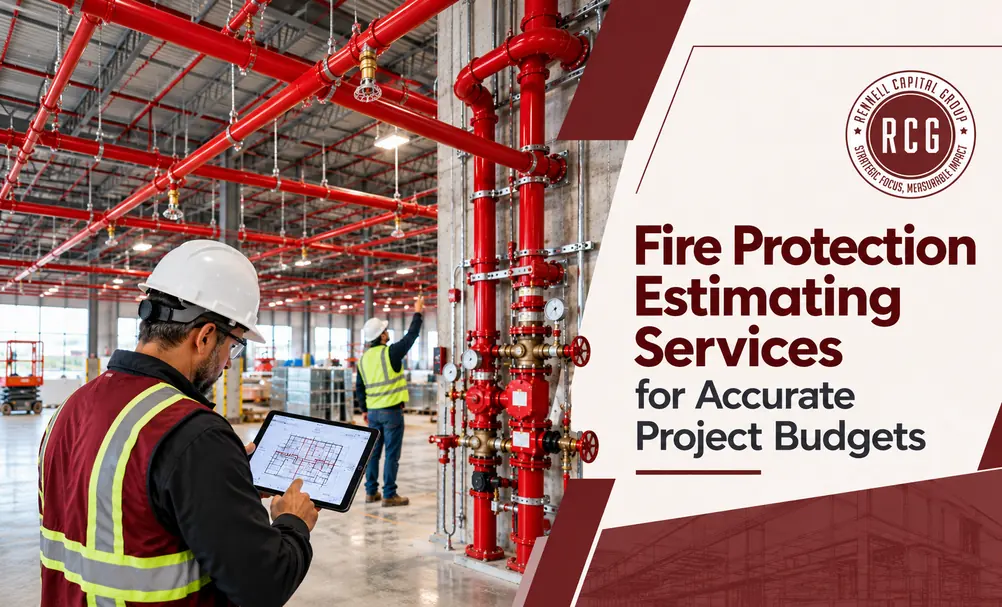
- Skipping fire protection entirely. Fire protection systems are consistently one of the most overlooked cost items in early project budgets.
- Failing to update the estimate as design evolves. Using a conceptual estimate as the active project budget through the design development phase is a guaranteed setup for sticker shock at bid time.
- Relying solely on the design team for cost input. Designers optimize for system performance and code compliance, not budget adherence. An independent estimator provides the necessary financial check.
- Ignoring long-lead equipment costs and lead times. Chillers, switchgear, and massive transformers carry real procurement risks that drastically affect both the budget and the construction schedule.
To avoid these errors from day one, explore conceptual MEP estimating for early planning.
How MEP Budget Estimating Supports Smarter Project Decisions
When MEP budget estimating is executed correctly, it becomes a powerful decision-making tool, not just a static cost report.
Developers use these highly accurate forecasts to validate overall project feasibility before committing capital or signing expensive design contracts. Owners use the numbers to set highly realistic expectations with their boards, lenders, and investors. Contractors rely on the data to check their own bid pricing and protect their profit margins.
Design teams often rely on the estimate as a budget guide while developing the project. This may help them make design choices that stay within the planned cost range and reduces the need for major changes later. General contractors who get highly involved early may even provide useful input on system selections and construction costs before final decisions are made.
What to Look for in a Professional MEP Budget Estimating Partner
Finding the right estimating partner is critical for project success. MEP-specific experience matters immensely. A general cost estimator without deep mechanical and electrical knowledge will easily miss system-specific cost drivers that experienced specialists catch automatically.
Good professional partners keep updating their estimates as the design changes over time. They point out cost risks early instead of waiting for someone to ask. Independent estimators also review contractor pricing to give an unbiased check, helping project owners avoid low bids that later turn into higher costs through change orders.
For external verification, look into independent cost estimator services. Professionals also align with ASHRAE standards for MEP system cost planning to ensure top-tier accuracy.
How RCG Delivers Accurate MEP Budget Estimating
Rennell Capital Group follows a detailed MEP budget estimating process that focuses on clear project assumptions, updated market pricing, and careful analysis of each building system. This method helps clients understand project costs more clearly and gives them a better breakdown of where the budget is being allocated.
RCG works extensively across commercial, healthcare, life sciences, industrial, and multi-family project types. Because of this broad exposure, the team deeply understands the cost differences between building types and never applies generic benchmarks where specific, localized expertise is required.
Every single RCG estimate comes with a meticulously clear scope of inclusions and exclusions. Clients know exactly what they are working with and what has not yet been priced. Learn more about our comprehensive MEP estimating and construction services.
Frequently Asked Questions (FAQ)
What is a mechanical electrical plumbing budget?
A mechanical electrical plumbing budget predicts the total cost of installing essential building systems. Good MEP cost planning helps you avoid financial surprises. It makes sure you have enough money for HVAC, power, and water systems before you start building.
How do you ensure MEP estimating accuracy?
You achieve MEP estimating accuracy by using current prices, detailed blueprints, and local labor rates. A solid MEP project budget requires regular updates as the design changes. Tracking these details carefully gives you a highly accurate construction MEP budget.
Why is MEP cost control important?
MEP cost control keeps your project from going over budget. By tracking expenses early on, you stop small changes from becoming huge problems. A reliable MEP cost forecast protects your profits and keeps the entire construction process running smoothly.
The Bottom Line
MEP budget estimating is more than just a step in the process. It plays a key role in guiding financial decisions from the earliest planning stage all the way through construction. When the estimates are prepared carefully and based on accurate information, projects run more smoothly and teams are better aligned throughout the entire process.
The core message remains simple: the earlier you invest in a credible, data-driven mechanical and electrical budget, the more total control you have over where your project ultimately goes.
If your next project needs a reliable MEP budget built on real data not loose assumptions and guesswork Rennell Capital Group is ready to help. RCG’s team of highly experienced estimators delivers accurate, well-documented budgets that give contractors, developers, and owners the financial clarity they need to plan with total confidence. Connect with Rennell Capital Group today and let’s talk about your project.

Looking for fresh content?
Get articles and insights from our weekly newsletter.
Recent Posts
Discuss a Project today!